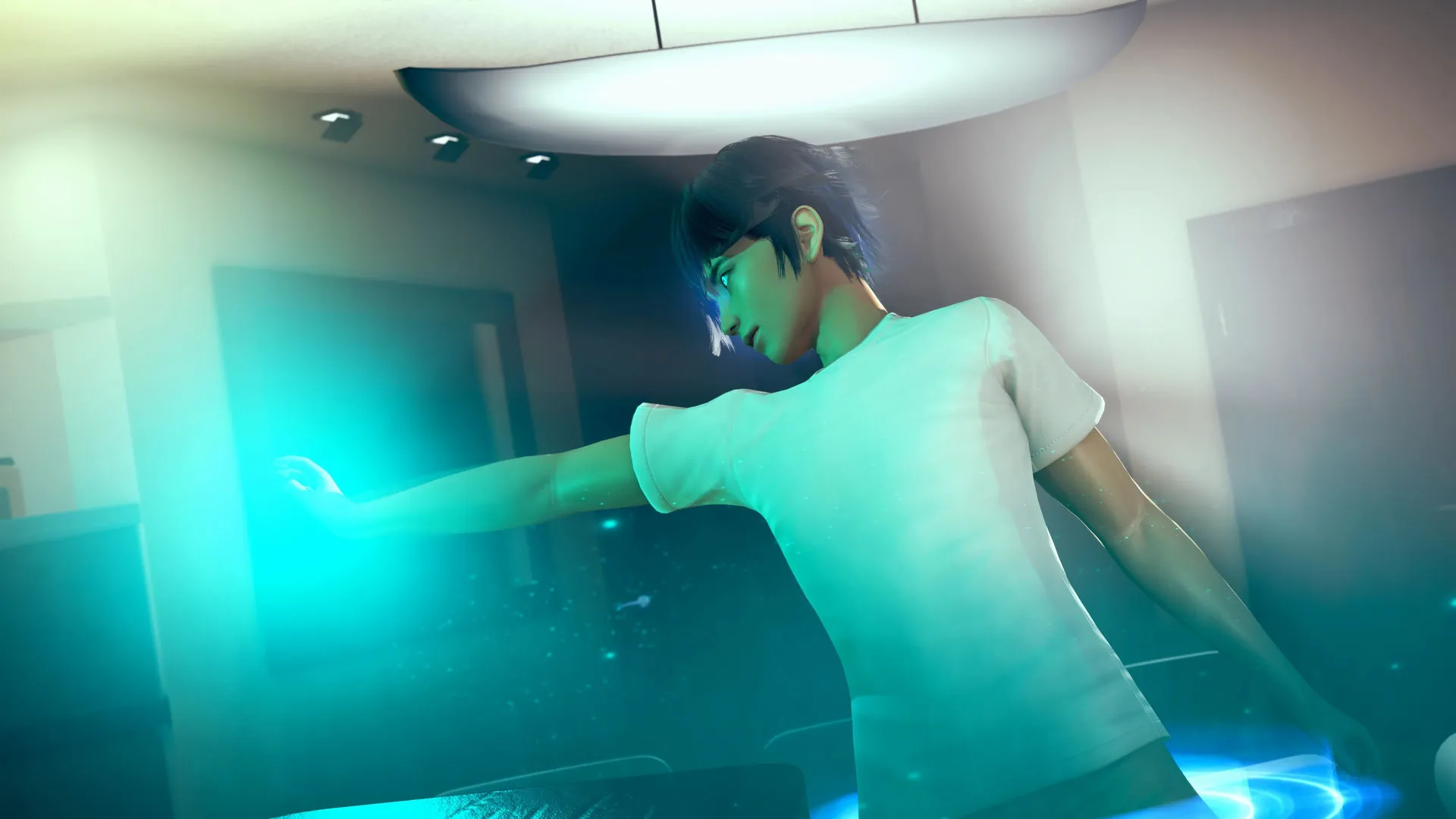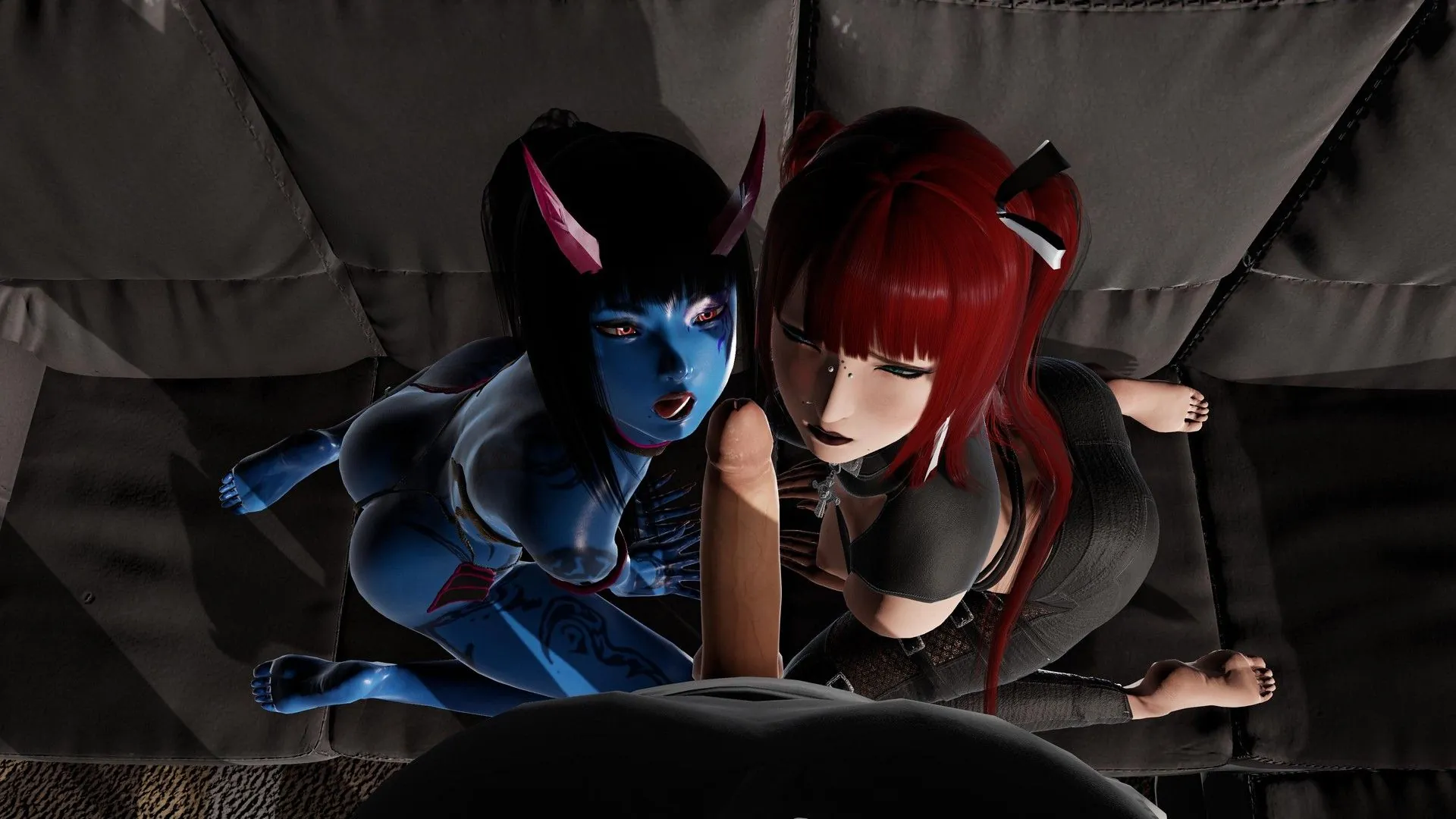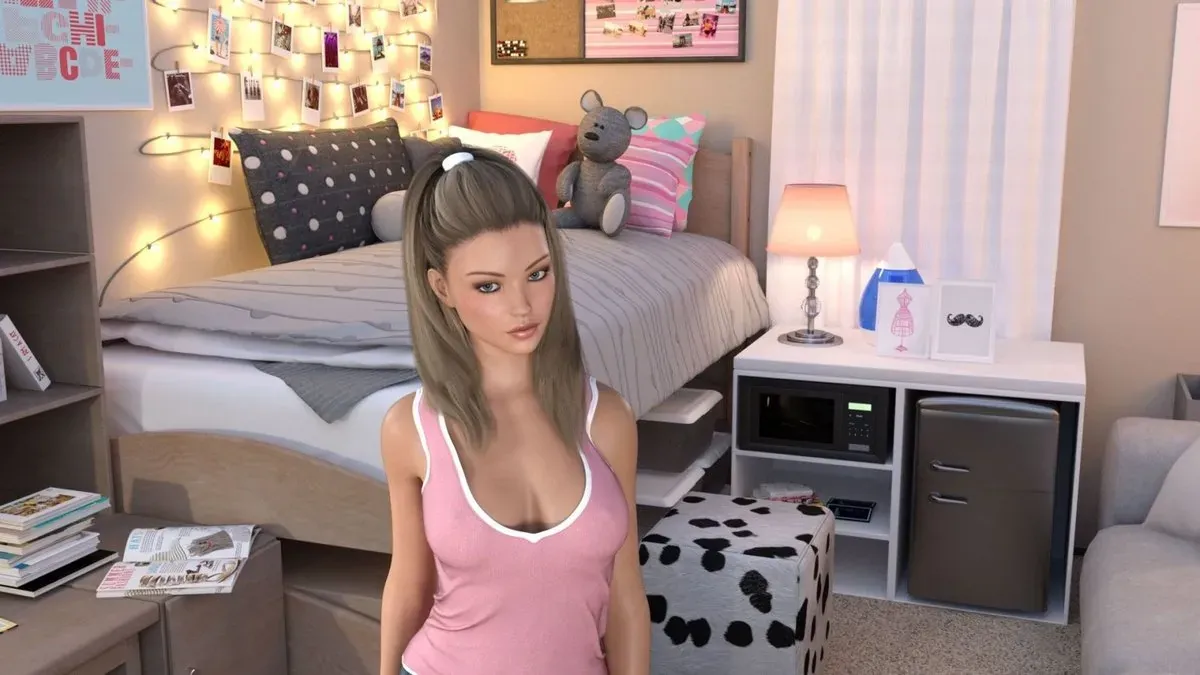
Teen Zombie in Your Cabin
Play Teen Zombie in Your Cabin
Teen Zombie in Your Cabin Screenshots
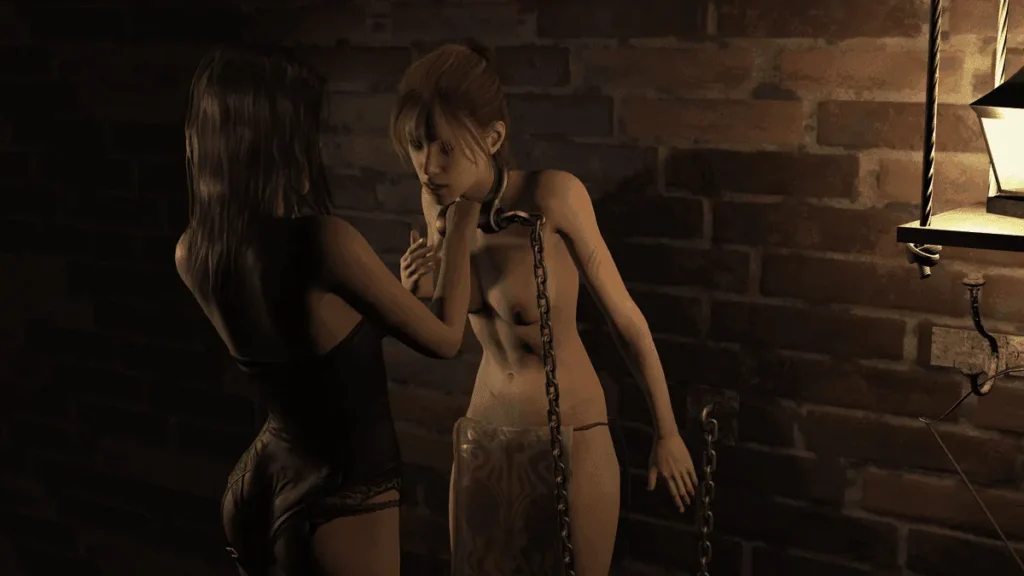
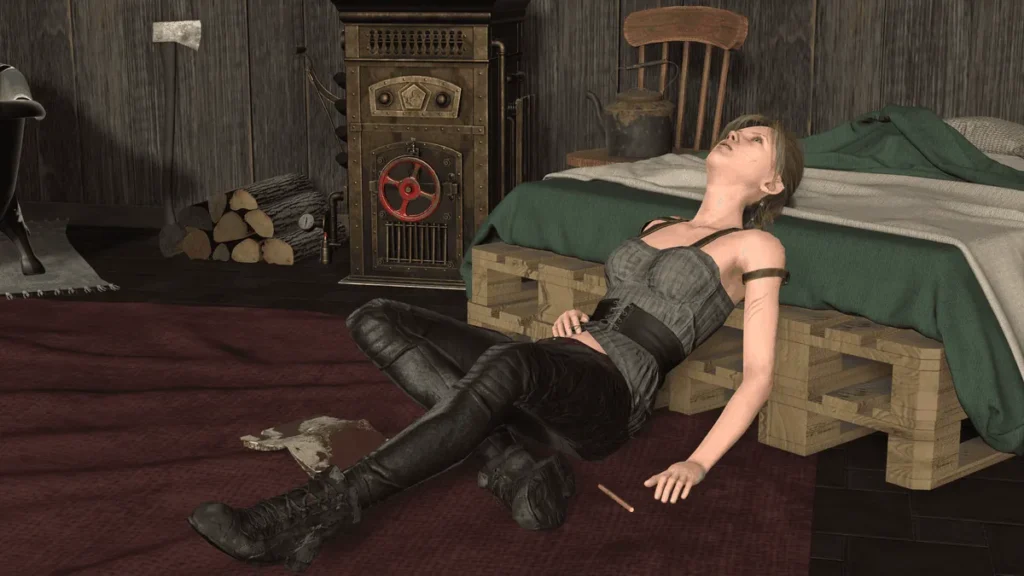
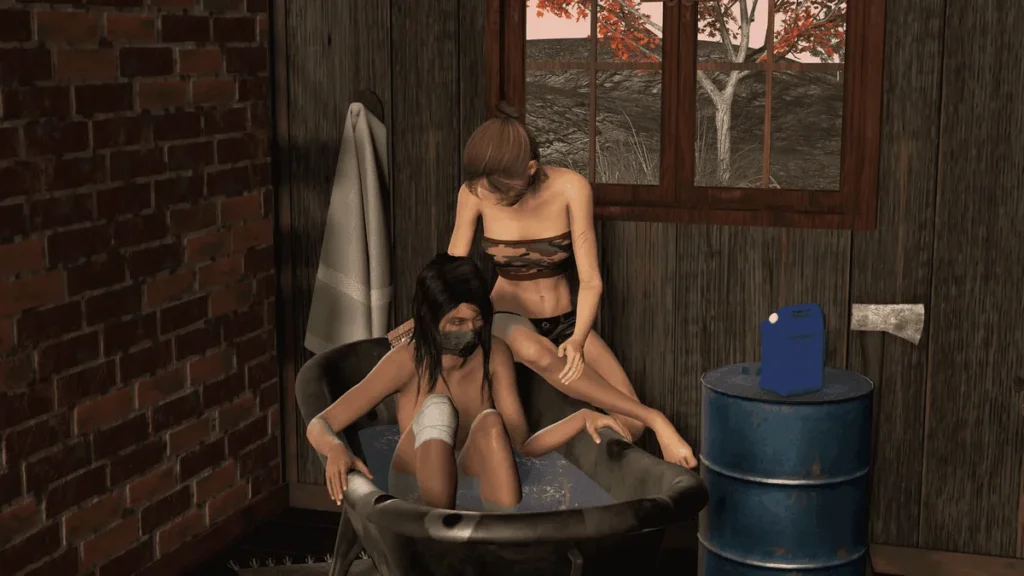
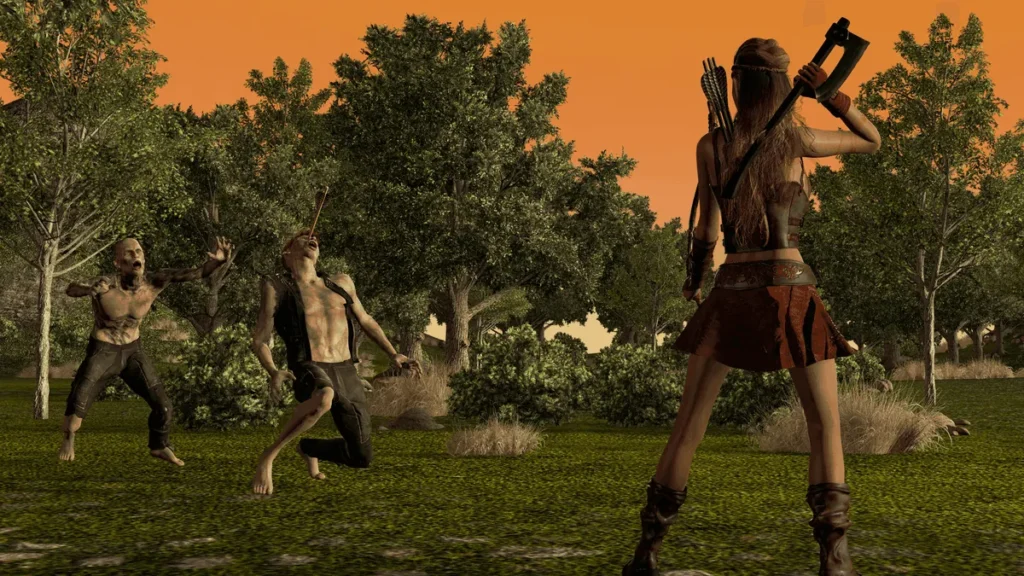
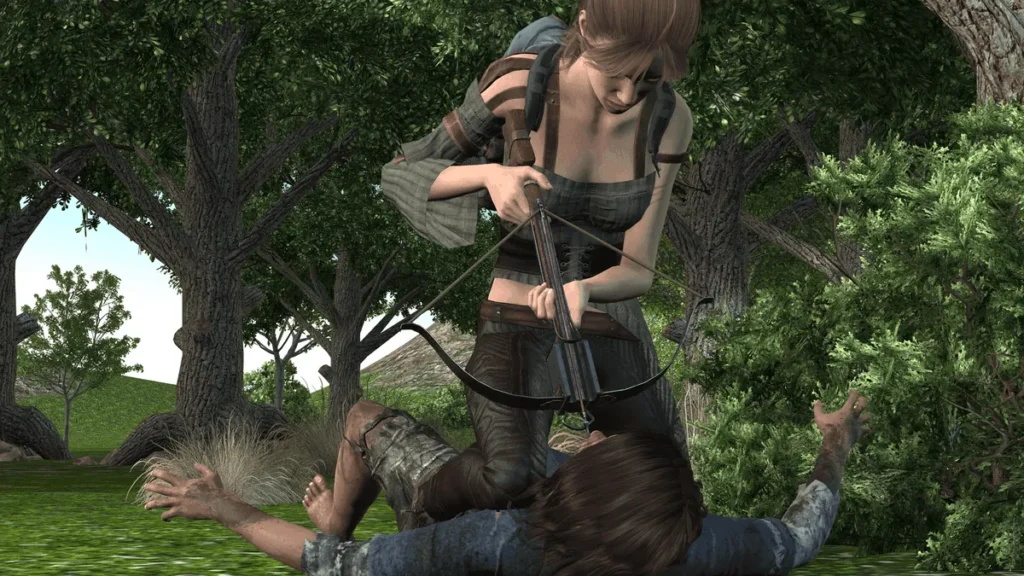
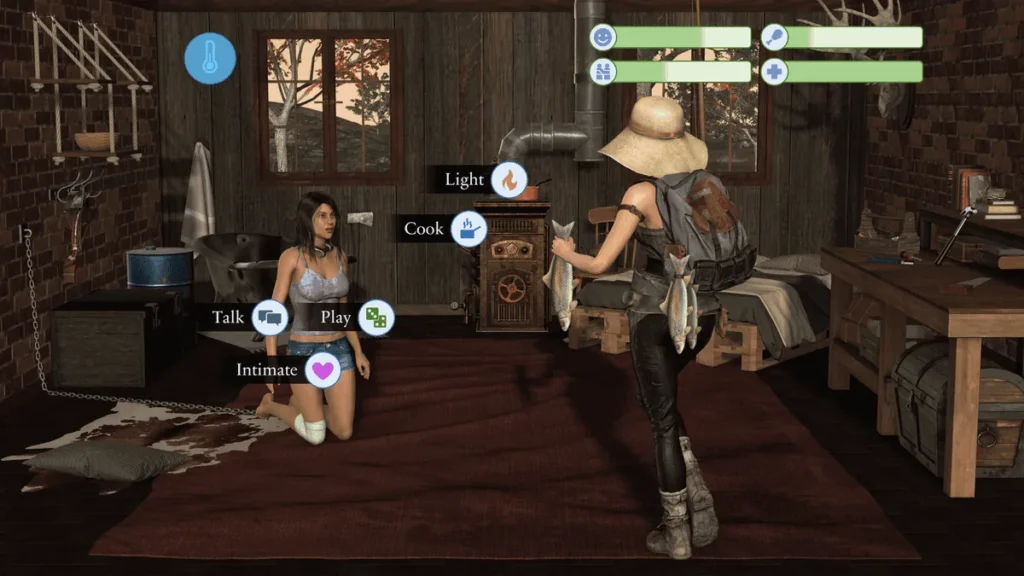
Teen Zombie in Your Cabin review
Survive, Teach, and Thrive in This Post-Apocalyptic Adventure
Imagine hunkering down in a remote cabin after three years of dodging the undead horde, only to stumble upon a young zombie who sparks something unexpected in your lonely survival routine. That’s the gripping hook of Teen Zombie in Your Cabin, the adult game by Pent Panda that blends post-apocalyptic tension with intimate caregiving and steamy discoveries. I’ve sunk hours into this gem, teaching her to speak, play, and explore her body while scavenging for fresh supplies. If you’re craving a mix of heartfelt story, challenging choices, and uncensored passion, this guide dives deep into gameplay, tips, and secrets to maximize your fun. Ready to bring her home?
What Makes Teen Zombie in Your Cabin So Addictive?
It was one of those 2 a.m. scrolling sessions. You know the kind—you’re bored, nothing looks good, and you’re about to give up and just watch cat videos. Then I saw it: “Teen Zombie in Your Cabin.” The title alone made me pause. 🧐 A post-apocalyptic zombie game that wasn’t about mowing down hordes, but about… sheltering one? I was instantly curious. An hour later, I was completely hooked, and I knew exactly what Teen Zombie in Your Cabin was: a uniquely intimate and nerve-wracking survival story that gets its hooks into you and doesn’t let go.
So, what is it about this Pent Panda game that makes it so compulsively playable? Let’s unpack the magic.
Unpacking the Post-Apocalyptic Storyline
Forget sprawling cities and military bases. The genius of this zombie cabin survival story is its brutal simplicity. The world ended three years ago. You’ve survived alone in a remote cabin, a master of grim routine: scavenge, secure, survive, repeat. The loneliness is a character in itself. Then, everything changes.
During a routine check of your perimeter, you find her. A young girl, shambling, clearly infected… but different. Her eyes aren’t completely vacant. She doesn’t immediately attack. This is your introduction to the core concept that defines the entire experience: the unlost zombie. She’s not fully feral, clinging to shreds of her humanity. The first monumental choice is presented: do you put her down for safety, or do you take a monumental risk and bring her inside?
Choosing to shelter her transforms the game from a standard survival sim into something profound. Your goal shifts from mere existence to rehabilitation. You’re not just a survivor; you become a teacher. The gameplay loop beautifully mirrors this new purpose. You’ll spend your days managing cabin resources, but now you also have sessions where you patiently try to re-teach basic human functions. We’re talking about guiding her to say words, play simple games, remember how to brush her teeth, and understand her own body.
“I went in expecting one thing and got a deeply moving story about connection. The interactions with the unlost girl and the tense dynamic with hunter Yana have a maturity and depth you just don’t see in typical games of this style. It’s superb.” – A player’s Steam review.
This isn’t a fast-paced action fest. The tension is psychological and emotional. Every sound outside the cabin could be a normal threat or a sign your fragile secret is discovered. The story forces you to ask hard questions about what makes us human in a world that has lost all its rules. It’s this post-apocalyptic narrative, focused on care and consequence rather than pure combat, that creates a uniquely addictive pull.
Meet the Unlost Zombie and Hunter Yana
The heart and soul of this Pent Panda game are its two key characters, and your relationships with them are everything.
The Unlost Zombie (Maya): She is the game. Naming her Maya (as many players do) feels natural, as you invest in her recovery. Her development isn’t just a progress bar; it’s visible in small, heartbreakingly human moments. A first garbled word. A moment of shared laughter over a silly game. A hesitant attempt to mimic your actions. These successes feel earned and incredibly rewarding. 🥹 But the danger is always there—a sudden noise might startle her into a feral state, a missed resource might make her sick, and your choices directly impact how quickly or slowly she relearns. Protecting and teaching her becomes your primary drive, making every decision outside the cabin feel intensely personal.
Hunter Yana: If Maya represents fragile hope, Yana represents complicated reality. She’s a rugged, capable hunter who stumbles upon your cabin. Initially, she’s a godsend—a source of precious meat and a fleeting connection to another sane human. The interactions with hunter Yana are a masterclass in building paranoia and alliance.
You can trade with her, share information, and even develop a rapport. But she’s a pragmatist in a kill-or-be-killed world. The genius of her character is that she is neither a guaranteed friend nor a guaranteed foe. Her path is decided by your choices. Be too secretive, and she’ll grow suspicious. Let her see too much, and she may decide your project is a threat that needs eliminating. The game weaves mature, XXX uncensored scenes into this relationship-building not as mere titillation, but as another layer of complex human connection (or manipulation) in a world without norms. Trusting Yana is a constant, thrilling risk.
The dynamic between protecting Maya and managing Yana creates unbearable, delicious tension. Do you let Yana inside when Maya is having a calm day? What lie do you tell about the noises in the basement? This triangle of relationships is where Teen Zombie in Your Cabin truly shines.
Why This Game Stands Out from Other Survival Titles
On paper, it shares DNA with other survival games. There’s resource gathering, crafting, and a dangerous world. But in practice, it stands apart in several key ways.
1. The Weight of Meaningful Choice: In many games, choices affect a ending slide. Here, choices affect daily survival and character relationships in real-time. A decision to prioritize teaching over scavenging one day might mean you’re short on medicine the next when Maya gets a fever. Choosing to confide in hunter Yana could lead to her bringing extra supplies, or it could be the beginning of the end. There are no purely “good” options, only compromises with massive stakes. This makes every playthrough feel uniquely yours.
2. An Intimate Scale with High Stakes: The entire game takes place in and immediately around your cabin. This constrained scope amplifies the tension. You know every floorboard and window. Any change is immediately noticeable. A survival game usually makes you fear for a base; this game makes you fear for a person. That emotional investment is a far stronger motivator than any “base integrity percentage.”
3. The One-Man Developer Passion Project: Pent Panda, the developer, created this entire experience solo. That passion is palpable in every detail, from the careful pacing of Maya’s development to the nuanced writing for Yana. Knowing it’s a Pent Panda game from a single vision, not a corporate committee, explains its bold, uncensored, and unique nature. Released as version 1.0 in 2023, it’s a complete, focused experience on PC, Android, and Steam that’s incredibly lightweight (around 9.66 MB) but heavy on narrative impact.
4. Practical Survival with a Purpose: My biggest tip for a first playthrough? Prioritize cabin security and basic resources immediately. Before you get deeply into teaching, ensure you have a stable food and water source, and that your doors and windows are fortified. A secure home base makes the delicate work of care possible. Here’s a quick breakdown of early-game priorities:
| Priority | Actionable Tip | Why It Matters |
|---|---|---|
| Security First 🔒 | Use early scrap to barricade windows and repair the cabin door on day one. | Prevents random zombie intrusions that can ruin everything, especially early on. |
| Water & Food 💧 | Scavenge for a pot to boil water and set simple traps in the woods. | Stops you and Maya from dying of basic needs, letting you focus on her development. |
| Building Trust 🤝 | Spend the first few “teaching” sessions on simple, calming activities like playing ball. | Raises Maya’s comfort level, making future lessons easier and reducing feral episodes. |
| Managing Yana 🎭 | Be helpful but vague in early conversations. Trade for meat, but avoid inviting her inside. | Builds a useful trade relationship while keeping your secret safe until you’re ready. |
5. Incredible Replay Value: Because your major choices with Maya and Yana create branching paths, no two stories are the same. Will you achieve a breakthrough with Maya? Will you and Yana become allies, or will it end in betrayal? The permutations are compelling enough to make you start a new game the minute your first one ends, just to see how the other path feels.
In a genre crowded with clones, Teen Zombie in Your Cabin dares to be different. It replaces mindless shooting with mindful caring, and swaps large-scale terror for intimate, heart-pounding dread. It’s a post-apocalyptic zombie game that understands true survival isn’t just about living—it’s about finding something worth living for.
- Game Tags & Core Features:
- Adventure & Simulation
- Story-Rich & Emotional Narrative
- Resource Management & Survival
- Meaningful Choices & Branching Paths
- Relationship Development & Complex NPCs
- Uncensored Adult Themes
- Atmospheric & Tense Gameplay
- Compact Size, High Impact
Diving into Teen Zombie in Your Cabin transformed my gaming nights from routine survival grinds into a thrilling blend of compassion, danger, and passion. From nurturing your unique zombie companion through daily lessons and steamy revelations to navigating alliances with Yana amid zombie threats, every choice shapes an unforgettable journey. I’ve replayed it multiple times, uncovering new paths that keep the excitement fresh. If you’re ready for a post-apocalyptic tale with heart and heat, download it now, stock that cabin, and let the adventure unfold. Share your wildest moments in the comments—what’s your go-to strategy for keeping the fresh meat flowing?