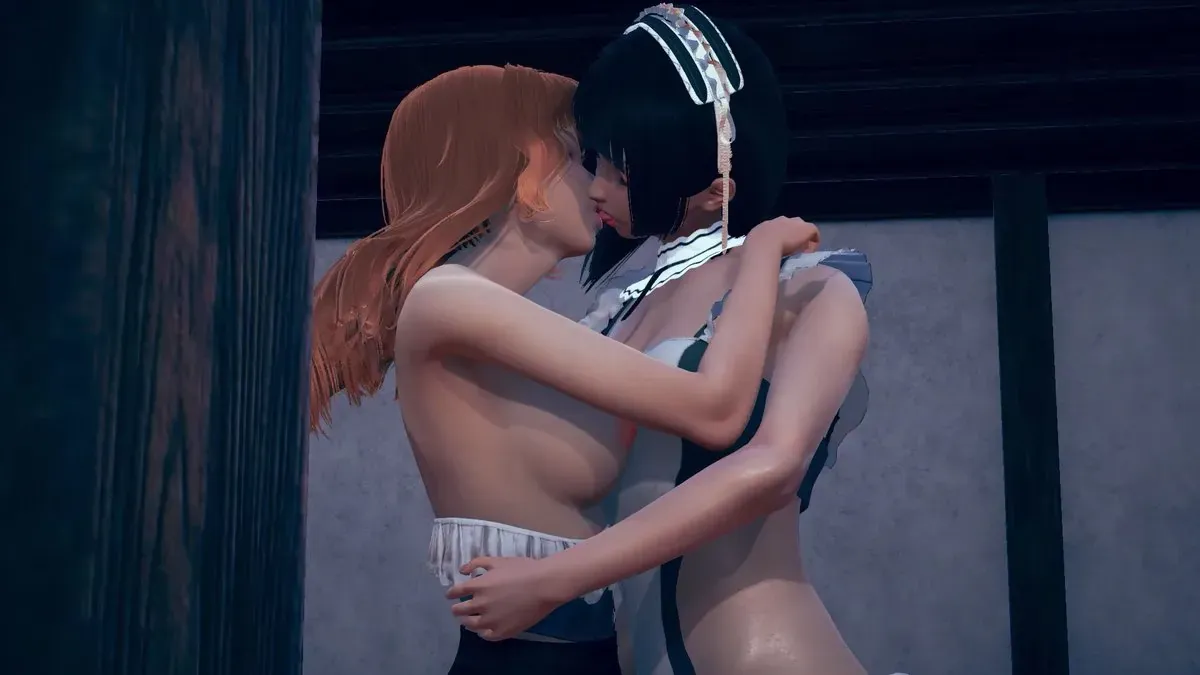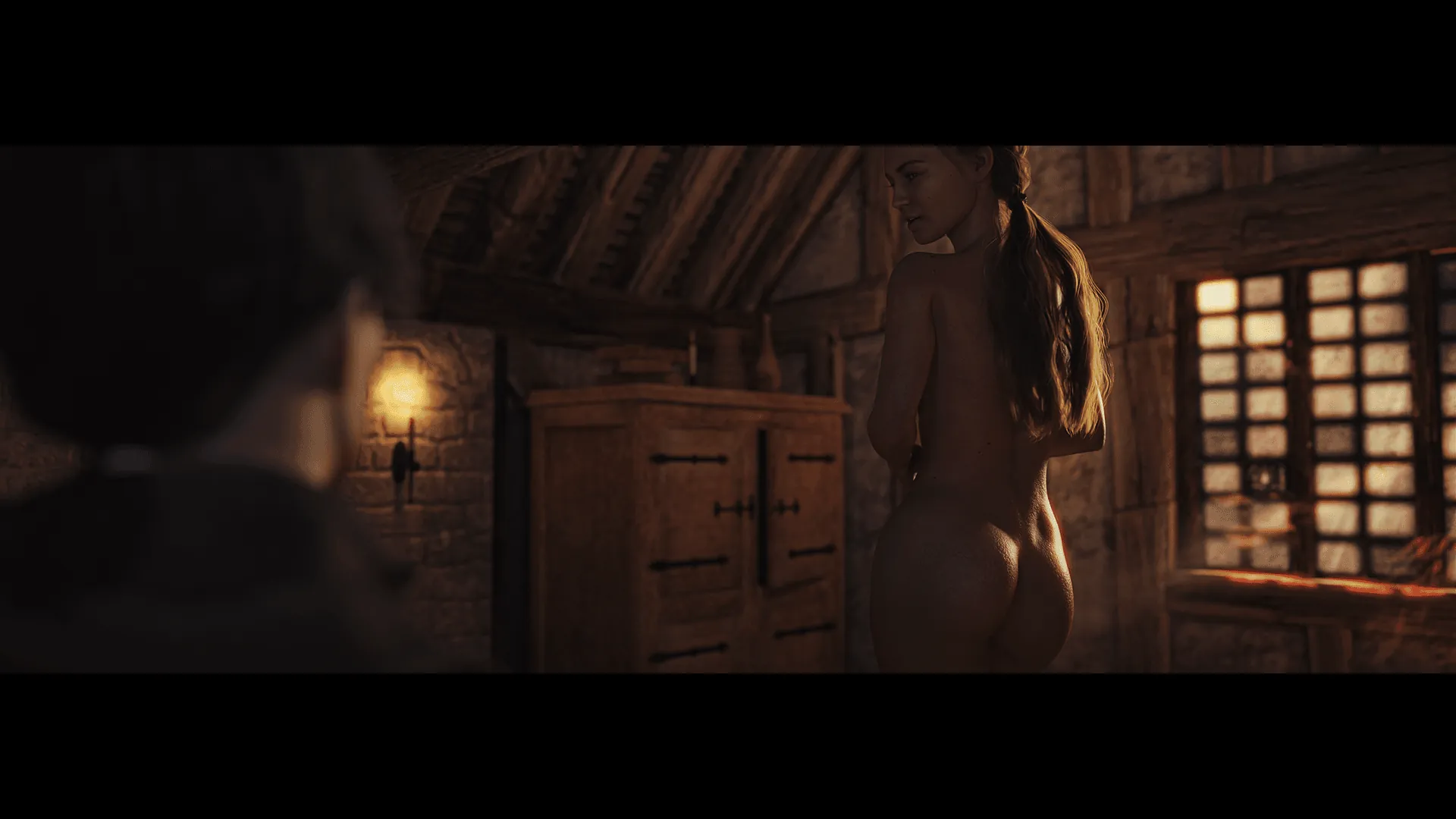
Shadows
Play Shadows
Shadows Screenshots












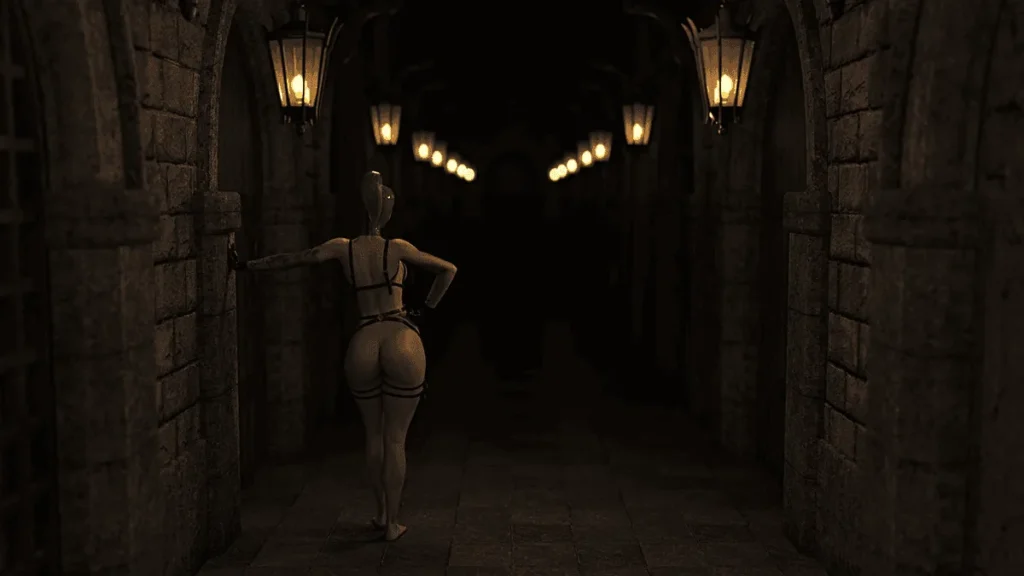






Shadows review
A practical, story-driven look at Shadows, its characters, and how to make smarter in‑game decisions
Shadows is one of those games that sticks with you long after you close it, thanks to its moody atmosphere, branching choices, and character-driven storytelling. Whether you discovered Shadows through a friend, a forum thread, or a late-night search, you probably want to know what makes it special and how to get the most out of it. In this guide, I’ll walk you through how Shadows works, what kind of experience you can expect, and the strategies I wish I had known when I first started playing. Think of this as a friendly, spoiler-light tour that helps you enjoy Shadows on your own terms.
What Is Shadows and Why Do Players Talk About It So Much?
You’ve heard the name whispered in forums, seen screenshots of rain-slicked streets and tense conversations, and maybe a friend won’t stop telling you about “that one scene.” 🕵️♂️ So, what is Shadows and why does it have players so hooked? At its heart, Shadows is a story-driven, atmospheric experience for adults that trades frantic action for the slow, delicious burn of character interaction and moral consequence. It’s less about what you do and more about who you are—or who you choose to become—in a world painted in shades of grey.
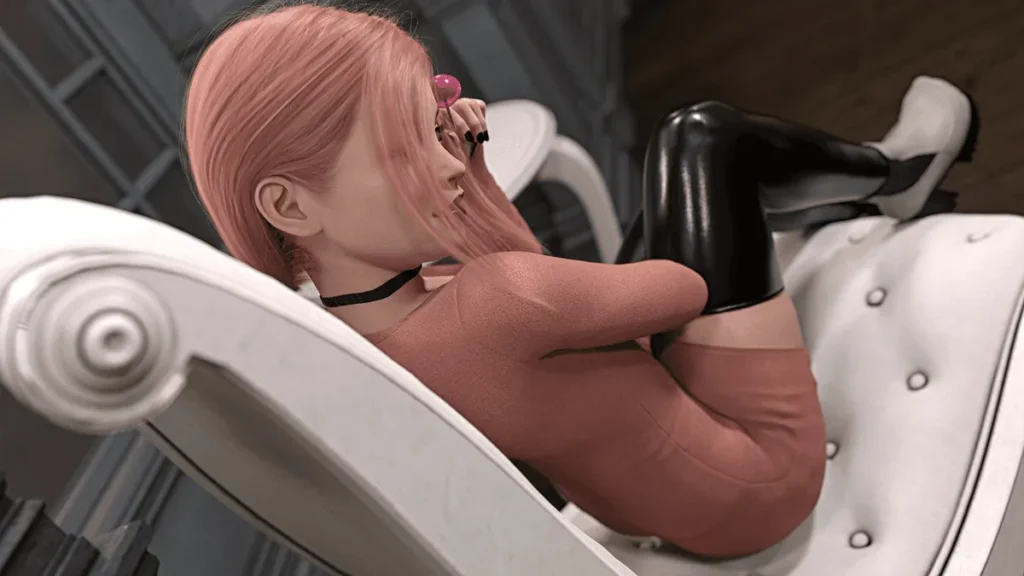
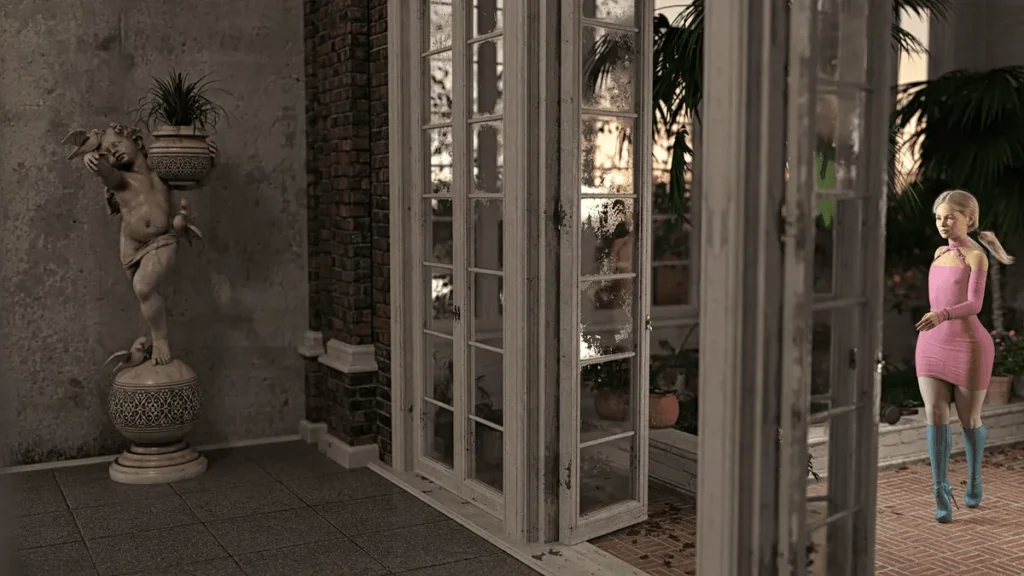
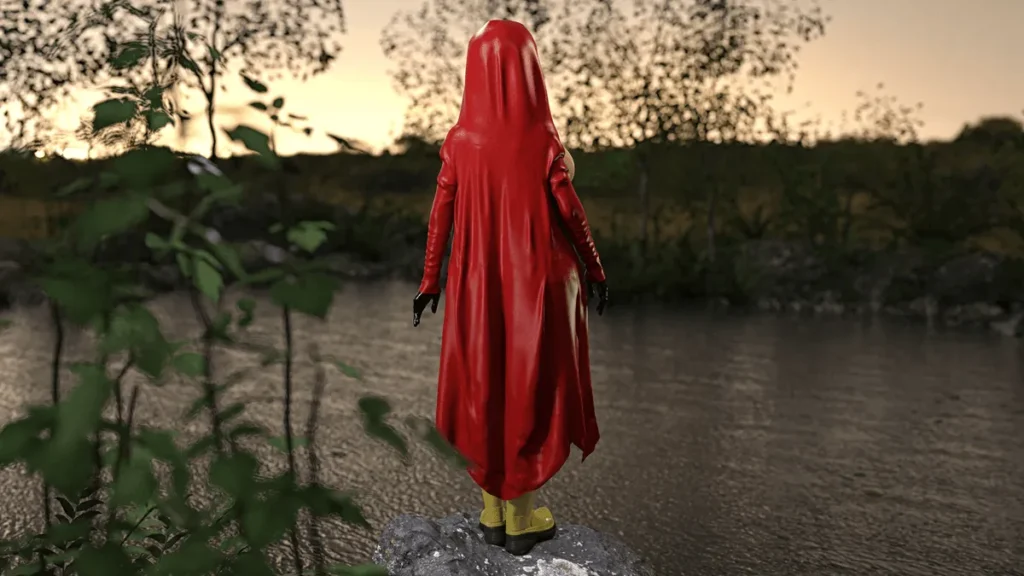
Think of it as stepping into a gritty, neo-noir graphic novel where every line of dialogue is your brushstroke. The Shadows game atmosphere is its crown jewel: a dense, often oppressive mood built on haunting soundscapes, meticulously detailed environments, and lighting that makes every shadow feel like it’s hiding a secret. The setting is a dark, urban labyrinth—sometimes brushing against the fantastical—where the real monsters wear human faces, and the greatest threats are often the debts you owe and the trusts you break.
This isn’t a game you play with the sound off while multitasking. It’s a game you sink into, where the tension comes from a loaded silence or a character’s sidelong glance, and the worldbuilding is revealed through a discarded note or a bitter anecdote shared over a cheap drink. 🥃
Core Premise and Atmosphere of Shadows
So, what is Shadows about, in broad strokes? Without spoiling the journey, you typically step into the worn-out shoes of a protagonist entangled in a precarious web of local powers, personal history, and looming danger. The Shadows story overview isn’t about saving the world; it’s about navigating a small, intricately corrupt slice of it. Your goal is survival, influence, or maybe just understanding, pursued through conversations, investigations, and alliances that are as fragile as they are vital.
The atmosphere is everything. The game masterfully uses its audio and visual design to create a constant sense of unease and allure. You’ll spend time in cramped apartments filled with the ghosts of bad decisions, neon-lit bars humming with confidential whispers, and rain-drenched alleyways where every footfall echoes. The “Shadows” aren’t just a title; they’re a living part of the environment. This is a world that feels lived-in and deeply cynical, yet occasionally reveals pockets of fragile humanity that make the darkness around them all the more poignant.
Pro Tip: Before you even start, commit to playing with a good pair of headphones. The ambient noise, the subtle score, and the nuanced voice acting are half the experience. You’ll hear things you’d otherwise miss—a character’s breath catching in hesitation or a distant, ominous sound that foreshadows events to come. 🔍
How the Game Structure and Progression Really Work
If the atmosphere is the soul of Shadows, its gameplay structure is the clever, branching spine. The Shadows gameplay structure is episodic, unfolding across chapters or diary-like entries. Progress is measured in scenes and conversations, not levels cleared. You’ll be presented with dialogue choices, internal monologue options, and key actions that feel small in the moment but cast long Shadows later on.
The magic lies in the branching paths. There is no single “Shadows story overview”; there’s your story overview. Early choices gently nudge the narrative stream, which eventually forks into wildly different rivers leading to distinct endings. It’s not just about picking “good” or “bad.” It’s about deciding who to confide in, when to show mercy, how to spend your limited social capital, and which favors to call in. Relationships are your primary currency and resource. A character you help in Chapter Two might provide a crucial alibi in Chapter Five, while an enemy you humiliate could become an obsessed adversary waiting for the perfect moment to strike.
Let me give you a personal example. In one early scene, I had to deal with an informant in a leaky warehouse. On my first playthrough, I chose to appeal to his sense of shared history, offering a gentle promise of protection. He trusted me, gave me the information, and later became a reluctant ally. Simple.
Curious, I replayed the scene. This time, I decided to intimidate him, leveraging a secret I’d discovered about his family to force his cooperation. He gave me the same core information, but the tone was pure venom. I didn’t think much of it until several hours later, during a tense public meeting. My old informant was there across the room. On my first playthrough, he caught my eye and gave a barely perceptible nod of solidarity. On this second, darker path, he stood up and publicly denounced me as a blackmailer, completely derailing the scene and turning key figures against me instantly. My jaw dropped. 🤯 A single, seemingly inconsequential choice from hours before had completely reshaped the social landscape. That’s the power of Shadows.
To visualize how these systems intertwine, here’s a breakdown of your core tools and how they affect the narrative:
| Your Tool | How You Use It | Potential Narrative Impact |
|---|---|---|
| Dialogue Choices | Selecting responses in conversation, from empathetic to aggressive to cryptic. | Immediate character reactions, shifting relationship scores, unlocking unique future dialogue branches. |
| Relationship Building | Choosing who to spend time with, what favors to grant, and whose secrets to keep. | Unlocking personal side stories, gaining allies in crises, or creating bitter rivals. Can determine who, if anyone, has your back at the end. |
| Key Actions | Decisions like searching a room, stealing an item, or intervening in a dispute. | Discovering hidden clues, possessing items that solve future problems, or triggering events that alter a character’s fate. |
| Resource Management | Managing items, money, or intangible resources like “Street Cred” or “Police Trust.” | Opening or closing avenues of progress. Can determine if you can bribe a guard, afford a rare tool, or convince someone of your authority. |
This structure makes every playthrough feel personal. You’re not hunting for a “golden ending”; you’re witnessing the natural, often messy consequences of a personality you’ve crafted through a hundred small decisions. The replay value is enormous, not to see a new cutscene, but to live a different life in the same broken city.
Who Is Shadows Actually For?
Let’s be straightforward: Shadows is a niche masterpiece, and it won’t be for everyone. So, who is Shadows for, actually? This is the section where we get honest.
Firstly, Shadows is for the reader, the watcher, the empath. If you love getting lost in a novel’s prose or analyzing a film’s character dynamics, you’ll find a home here. It’s for players who value narrative weight over mechanical complexity, who get their thrill from a perfectly delivered line of dialogue or a relationship that evolves in surprising ways. If you’ve ever finished a movie and immediately wanted to ask the director, “But what if the character had done this instead?”—this game is your answer. 📖
Secondly, it’s for those who appreciate mature, slow-burn storytelling. “Mature” here doesn’t just mean graphic content (though the game doesn’t shy away from adult themes); it means themes dealt with complexity and moral ambiguity. There are rarely perfect solutions, only compromises with varying costs. You’ll sit with decisions long after you’ve put the controller down. The pacing is deliberate, building tension through quiet moments as much as through confrontations.
Is Shadows worth playing for you? Consider this practical checklist:
* 🎧 You enjoy immersive sims of the mind. Your favorite part of RPGs is talking to every NPC.
* 🔀 You love the “what if?” The idea of replaying to see different outcomes excites you more than finding a better weapon.
* 😬 You relish tense, interpersonal drama. You’d choose a razor-sharp verbal duel over a physical boss fight.
* 🎭 You connect with flawed, well-written characters. You remember their names and motivations long after the credits roll.
If that sounds like you, then Shadows is absolutely worth your time. My strongest advice? Don’t rush. Savor it. Read every document, listen to every conversation option, and let the atmosphere soak in. Play it like you’re directing your own miniseries, not trying to beat a high score. There are no time limits, only opportunities to learn more about the fascinating, fractured world you’ve been dropped into.
Shadows FAQ: Quick Answers to Common Questions
Is Shadows story-focused or action-focused?
It is almost entirely story and character-focused. Think of it as an interactive visual novel or a playable drama. Any “action” is resolved through choices and quick-time events that emphasize tension and consequence, not combat skill.
Do choices matter in Shadows?
Absolutely, and profoundly. Choices alter character relationships, open or close entire story branches, and lead to drastically different endings. The game is designed to be replayed to experience the full scope of its narrative possibilities.
How long does a playthrough of Shadows take?
A single, thorough playthrough typically takes between 10 to 15 hours. However, to experience the major narrative branches and different endings, you can easily spend 30+ hours exploring all the stories the game has to tell.
Is the game overly depressing or grim?
While the Shadows game atmosphere is undoubtedly dark and tense, it’s not without moments of warmth, dark humor, and human connection. These contrasts are what make the world feel real and your relationships within it meaningful. The tone is mature and nuanced, not solely bleak.
Shadows rewards patience, curiosity, and a willingness to sit with uneasy choices. By now you have a clearer picture of what kind of game it is, how its story and structure work, and what type of experience you can expect when you start playing. If you enjoy slow-burn narratives, tense character moments, and experimenting with different paths, Shadows is worth taking the time to explore. Give yourself permission to replay key scenes, follow your instincts with dialogue, and see where the game’s branching routes lead you. When you are ready, dive in and let Shadows pull you into its world one decision at a time.