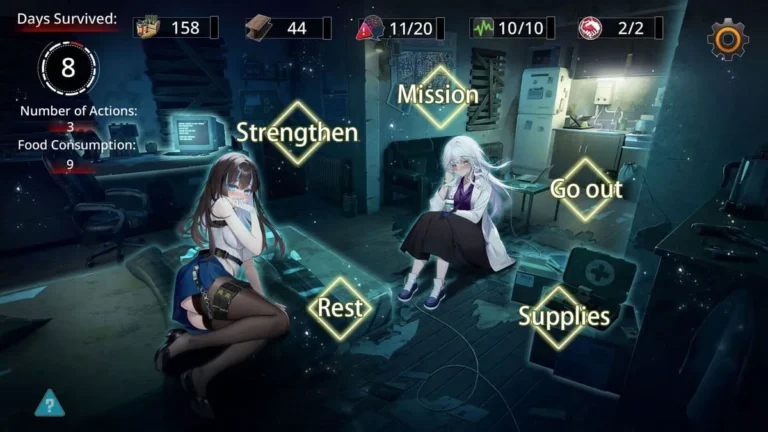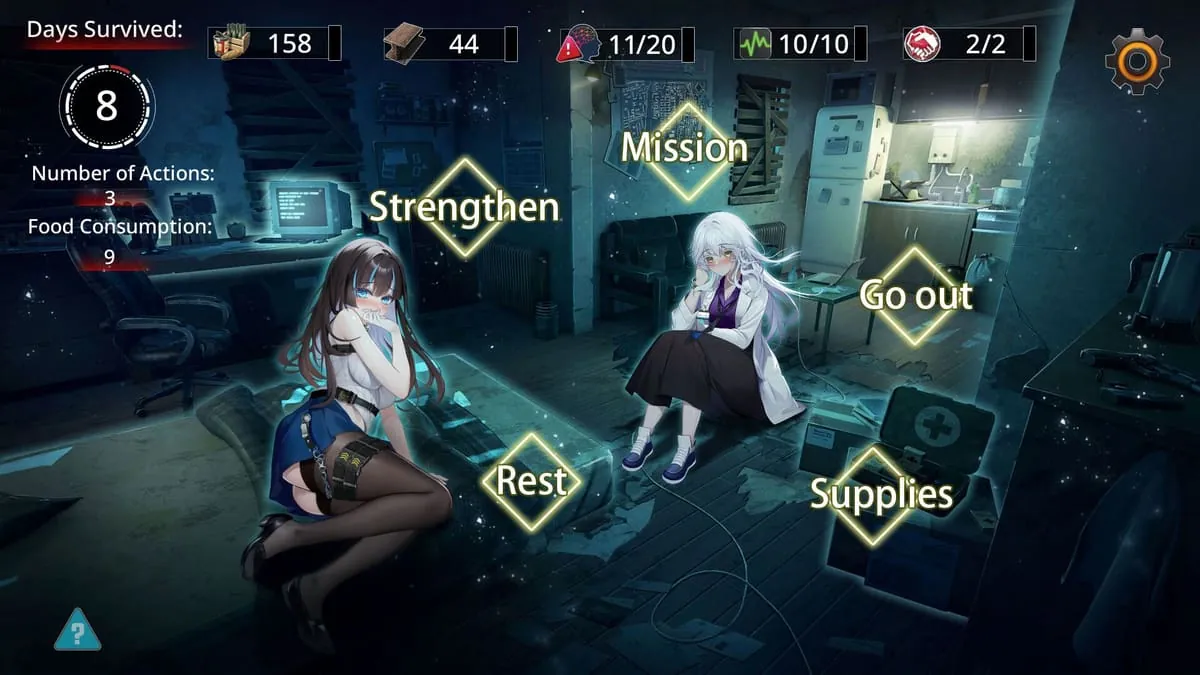
Fatal Countdown – immoral List of Desires Screenshots
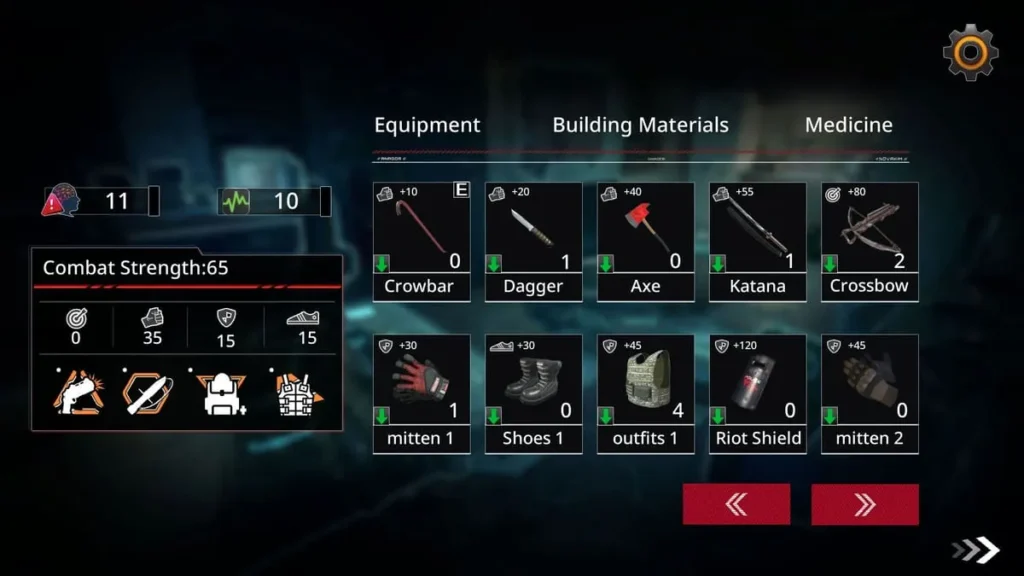





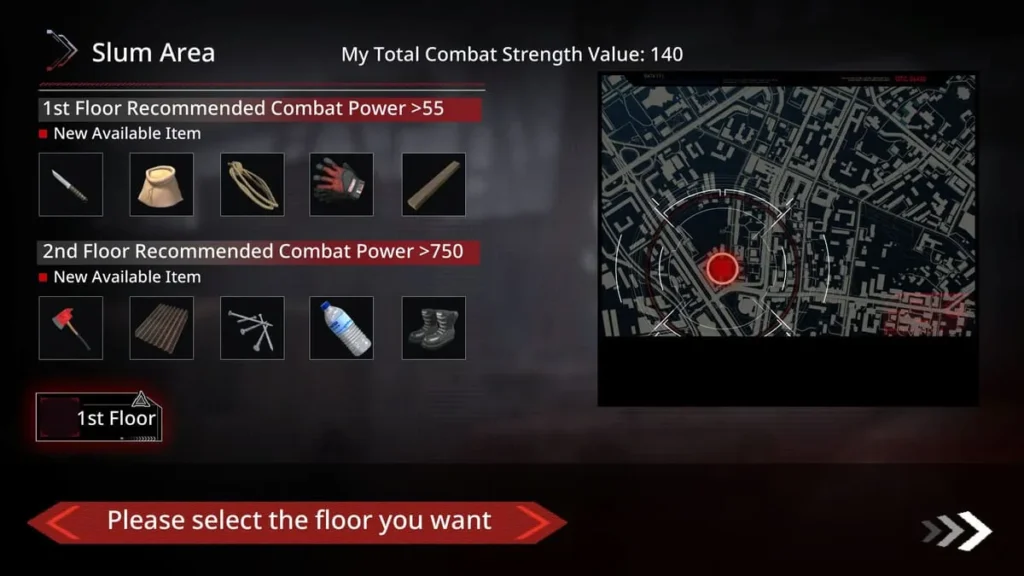

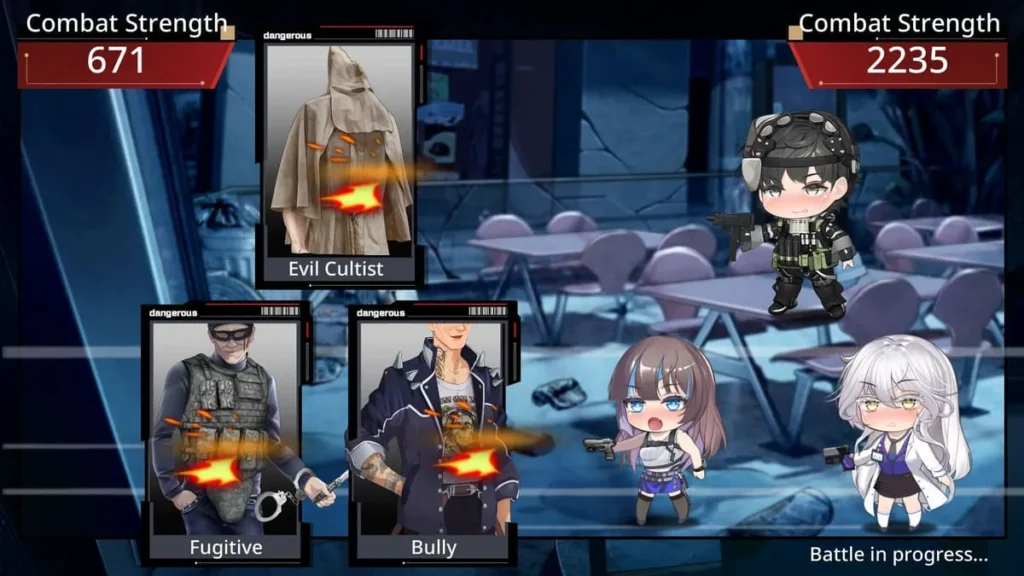

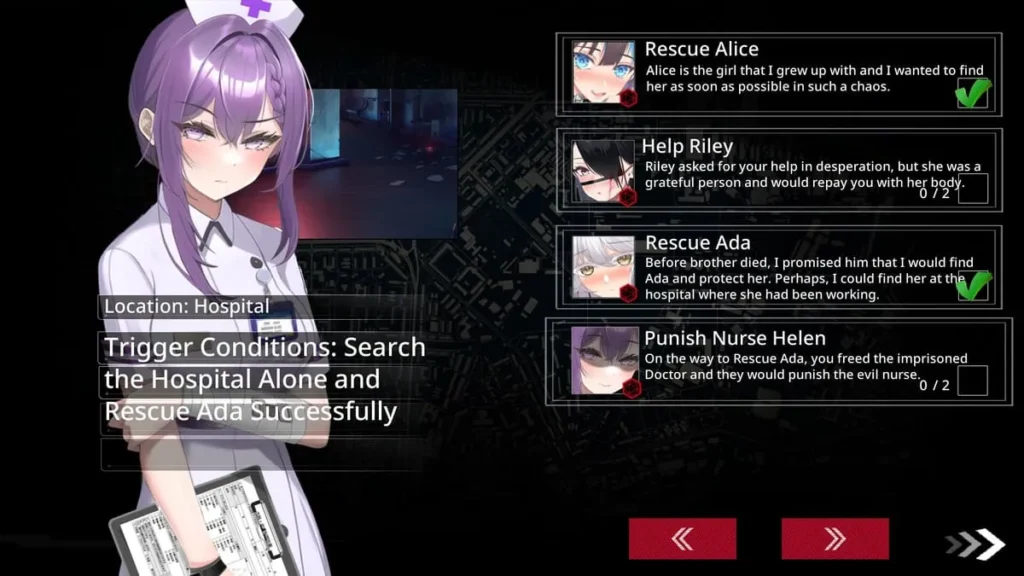
Fatal Countdown – immoral List of Desires review
Explore the immersive world, gameplay, and unique features of Fatal Countdown – immoral List of Desires
Fatal Countdown – immoral List of Desires is a captivating single-player simulation game developed by Secret Garden and published by Playmeow. Set in a post-apocalyptic city overwhelmed by chaos and desire, this game combines survival, tactical decision-making, and rich storytelling. Players must navigate a world transformed by destruction and psychological challenges, making choices that impact their fate and that of their companions. This article dives deep into the game’s core elements, offering insights and practical advice for players eager to explore its immersive universe.
Exploring the Story and Setting of Fatal Countdown – immoral List of Desires
Imagine this: you’re sipping coffee, watching the news, and life feels… normal. Then, the broadcast cuts to static. A moment later, distant thunder rolls in—except it’s not thunder. It’s artillery. 💥 The world you knew ends not with a whisper, but with a scream of collapsing buildings and a creeping, silent horror: a virus that doesn’t just kill, it transforms. This is the brutally effective opening of Fatal Countdown – immoral List of Desires, a game that masterfully uses its post-apocalyptic game setting not just as a backdrop, but as the central character in a devastating psychological drama.
Welcome to the ruins. Let’s pull back the rubble and explore the profound narrative and atmospheric layers that make this psychological horror game so uniquely gripping.
What is the narrative backdrop?
At its heart, the Fatal Countdown story is about the sudden, violent erasure of order. One day, a modern metropolis is thriving; the next, it’s a smoldering crater-gridlocked with fear. The dual catalysts—widespread artillery bombardment and a mysterious, rapid-onset virus—create a catastrophe that feels terrifyingly plausible. Society doesn’t slowly decay here; it’s obliterated in hours, leaving survivors shell-shocked and desperate.
This is where the immoral List of Desires story truly begins. You aren’t playing a pre-ordained hero. You are one of the shattered remnants, scrambling through the debris. The “Desires” in the title aren’t grand ambitions, but the raw, base instincts that surface when the thin veneer of civilization is stripped away: the desire for safety, for medicine, for a sip of clean water, or for power over others. The game forces you to confront what you’re willing to do, and what you’re willing to sacrifice, to fulfill those needs.
Example: Picture yourself in a looted pharmacy, a bottle of antibiotics in your hand—a potential cure for a sick companion. You hear footsteps. Another survivor, armed and desperate, blocks the door. They don’t want to fight; they just want the medicine for their own group. The game narrative themes of desperation and moral compromise come crashing down. Do you talk? Do you risk a fight you might lose? Or do you make a promise you have no intention of keeping to get out alive? This is the relentless tension the Fatal Countdown story builds.
The brilliance of the narrative is its intimacy amidst the chaos. While the world is ending, your focus is often heartbreakingly small: a single relationship, a promise to a friend, the location of the next safe(ish) house. This contrast makes the epic scale of the disaster feel even more oppressive and personal. 😨
How does the post-apocalyptic environment shape gameplay?
This isn’t a setting you just look at; it’s a setting you feel, and it directly dictates every move you make. The game setting impact on gameplay is total and unforgiving. The environment is a constant, active opponent.
- Resources as Narrative: Every empty can of food, every rusted blade, tells a story of scarcity. Finding a single battery isn’t just an inventory tick; it’s a victory that might mean light for another night or power for a crucial radio message. The post-apocalyptic game setting turns inventory management into a tense narrative of survival.
- The Map is a Threat: Radiation zones from the bombardment, virus hotspots where the infected congregate, and unstable buildings that can collapse create a dangerous geography. Your path through the city is never just A to B; it’s a constant risk-assessment puzzle. Choosing a longer route might save you from enemies but expose you to environmental hazards.
- Sound as a Survival Tool (and Liability): The survival game atmosphere is amplified by sound design. The moan of the wind through broken windows, the distant screech of an infected, the crunch of your own footsteps on glass—it’s a symphony of dread. 🎧 Making noise can attract terrible attention, forcing you to move slowly, deliberately, and in a constant state of auditory paranoia.
To break down how this functions, let’s look at the core survival loop:
| Environmental Element | Gameplay Impact | Psychological Effect |
|---|---|---|
| Dynamic Weather & Day/Night Cycle | Reduced visibility at night or in storms increases danger; some creatures become more active. | Forces anxiety about travel timing and creates dread with the approaching darkness. |
| Permanent Structural Damage | Blocks paths, creates ambush points, and necessitates risky climbing or alternative routes. | Creates a feeling of being trapped and claustrophobic, even in open ruins. |
| Faction-Controlled Territories | Certain areas are guarded by hostile survivor groups, requiring stealth, negotiation, or combat. | Makes the world feel alive and contested, reinforcing that humans are often the greatest threat. |
This seamless blend means you’re never just “playing a level.” You are enduring a place. Your decisions—from the pragmatic to the moral—are direct responses to the hellscape around you. This is the ultimate game setting impact on gameplay: your morality is dictated by your environment.
What themes and moods define the game?
If I had to distill the essence of this psychological horror game, it’s the examination of what remains when everything else is gone. The game narrative themes are unflinchingly bleak but profoundly human.
- The Corruption of Necessity: This is the central pillar. How pure are your ethics when your child is hungry? The game presents you with “choices” that are often just different shades of grey, asking if a “bad” action for a “good” reason is justified. The title immoral List of Desires perfectly encapsulates this theme—your needs become a ledger of potential sins.
- Paranoia and Trust: In a world with no rules, who can you believe? Other survivors might be allies, competitors, or predators. A gift of food could be genuine charity or a trap. This cultivates a mood of deep-seated paranoia that colors every interaction. 😟
- The Horror of the Familiar Made Alien: The most terrifying locations aren’t haunted forests, but the ruined remains of a subway station, a school, or a hospital—places that should be safe. This violation of familiar spaces creates a uniquely potent form of dread that fuels the survival game atmosphere.
The mood is a heavy cocktail of despair, tension, and fleeting hope. Moments of quiet beauty—a sunset filtering through the dust of shattered skyscrapers, finding an untouched patch of greenery—are made more poignant by the overwhelming devastation. They’re reminders of what was lost, making the grim reality even sharper.
The Fatal Countdown story doesn’t offer easy escapism. It offers a brutal, reflective mirror. It uses its masterfully crafted post-apocalyptic game setting not just to challenge your skills, but to probe your conscience. You will leave its world not just wondering if you survived, but if you managed to hold onto anything resembling yourself in the process. That is the mark of a narrative that truly resonates, long after you’ve put down the controller.
Fatal Countdown – immoral List of Desires offers a unique blend of survival simulation and psychological storytelling set in a richly detailed post-apocalyptic world. Its engaging narrative, tactical gameplay, and immersive audiovisual elements create a compelling experience for players seeking depth and challenge. Whether you are drawn by the story or the gameplay mechanics, this game provides a memorable journey through a city transformed by chaos and desire. Dive in and discover how your choices shape the fate of your companions and yourself.