
Aperture
Play Aperture
Aperture Screenshots


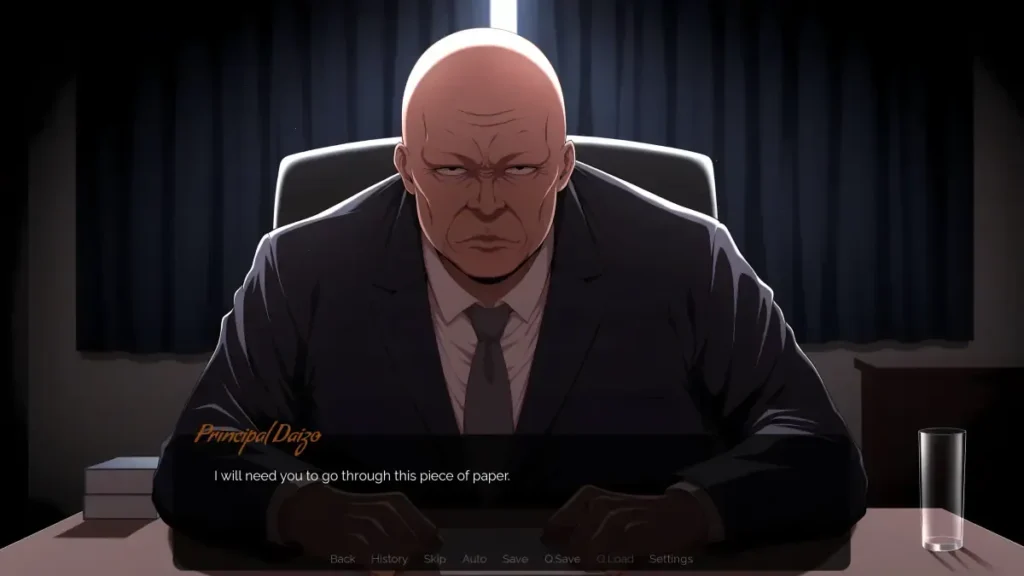

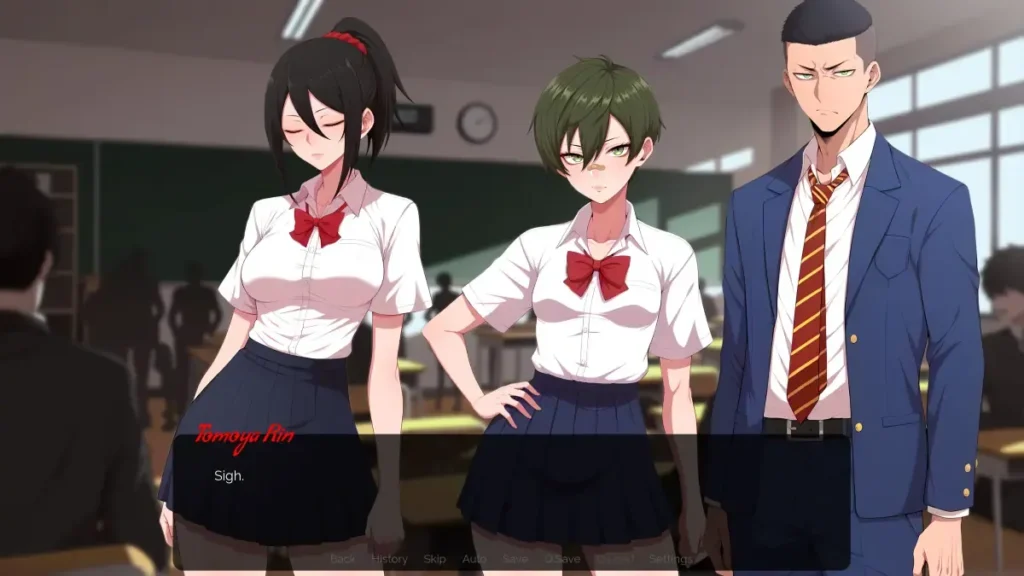


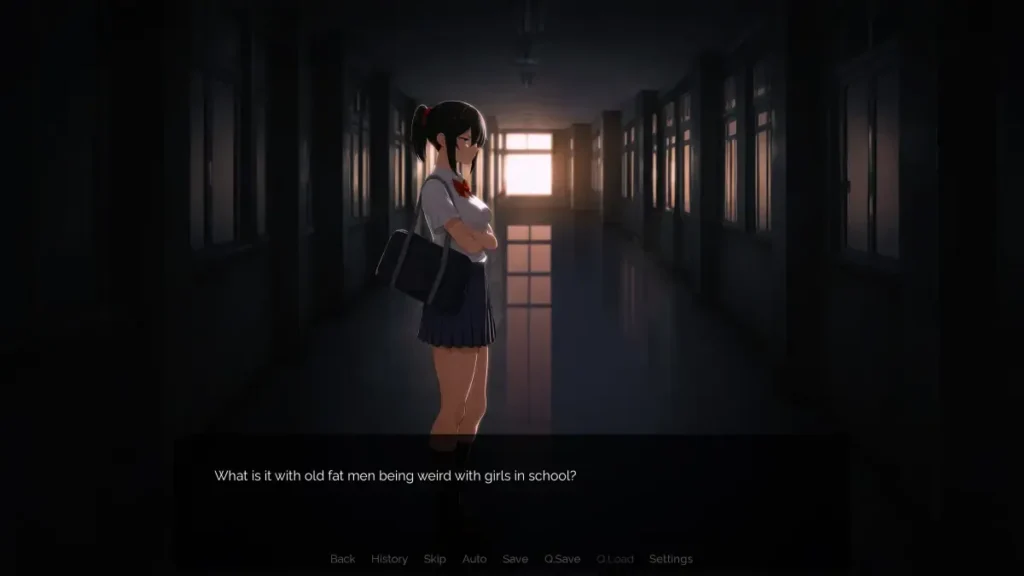




Aperture review
Discover Gameplay, Tips, and Secrets in This Thrilling Erotic Adventure
Ever stumbled upon a game that pulls you into a world of seductive exploration and pulse-pounding choices? That’s Aperture for you – the captivating adult game that’s got players hooked with its blend of strategy, steamy encounters, and endless replayability. I remember my first dive into Aperture; wandering those neon-lit streets, charming characters, and uncovering hidden pleasures felt like living a forbidden fantasy. In this guide, we’ll break down everything from core mechanics to pro tips, helping you master Aperture and maximize every thrilling moment. Whether you’re new or a seasoned player, get ready to level up your experience in this erotic masterpiece.
What Makes Aperture the Top Adult Game Choice?
I remember the first time I booted up Aperture. I was expecting, well, just another adult game. What I found instead was a living, breathing city that felt dangerously real. 🏙️ My first mission wasn’t some grand, scripted event; it was simply to find a specific person in a rain-slicked alley. The neon signs buzzed, the soundtrack pulsed with a mix of tension and allure, and every shadow felt like it held a potential story. That’s the magic of Aperture gameplay—it doesn’t just tell you a story, it drops you into a world and says, “Navigate it.” You’re not a passive observer; you’re an urban explorer, and every interaction is a step deeper into its thrilling Aperture erotic adventure.
This sense of immersive discovery is what makes this Aperture adult game a cut above the rest. It’s a game of strategy, social maneuvering, and unpredictable encounters where your choices genuinely carve your unique path. Let’s break down exactly why it has such a powerful grip on players.
How Does Aperture’s Storyline Hook You In?
Forget linear plots. Aperture hooks you with a framework of goals and an ocean of possibilities. Your objective might be to locate a rare item, uncover a secret, or simply survive the night with your reputation (and health) intact. The narrative is what you make it through your decisions.
The city is your stage, and the characters are your co-stars—many of whom are randomly generated. This means no two playthroughs are ever the same. You might meet a friendly informant in a café who gives you a crucial tip, or a hostile rival in a dimly-lit bar who challenges you on the spot. This constant element of surprise is the engine of the Aperture erotic adventure. You’re always chasing a goal, but the path is paved with spontaneous, character-driven moments that can turn strategic, intimate, or dangerous in a heartbeat.
I learned this the hard way. Early on, I focused only on my main goal and brushed off a seemingly minor character. Later, that same character appeared as a gatekeeper to the very location I needed to access, and they remembered my rudeness. The game’s world has a memory, and your Aperture character interactions build a web of relationships that directly impact your success.
Key Features That Set Aperture Apart
So, what are the actual mechanics that create this dynamic experience? The Aperture game features are a masterclass in blending depth with accessibility. At its core, the game operates on a turn-based interaction system. When you engage with someone, you’re presented with a menu of commands. This isn’t just a “click and proceed” format; it’s a tactical choice that determines everything.
You can choose to de-escalate a situation with Nice Talk, intimidate with Aggressive moves, or attempt to build a closer connection. Each choice has a success rate influenced by the character’s mood, your stats, and the location. Trying to start a deep conversation in a noisy combat zone? Probably not going to work. This is the heart of how to play Aperture—reading the room and choosing your social tools wisely.
The locations themselves are more than just backgrounds. Each area, from discreet love hotels to bustling shops and private booths, comes with its own risks and opportunities. Some locations are safer for certain types of Aperture character interactions, while others might trigger unexpected events or attract the wrong kind of attention.
And yes, sometimes talk fails. The combat screens are a strategic layer of their own, where physical stats and quick thinking take over. Managing your stamina and health becomes as important as managing your social currency.
To help visualize the core tactical layer, here’s a breakdown of the primary interaction commands:
| Command Type | Primary Use | Typical Outcome | Success Factors |
|---|---|---|---|
| Nice Talk | De-escalate tension, gather information, build trust. | Character becomes more open, may offer items or clues. | Character’s initial disposition, your charisma stat. |
| Aggressive | Intimidate, demand compliance, establish dominance. | Quick submission or trigger a combat encounter. | Your strength vs. theirs, location safety. |
| Flirt | Build romantic or intimate rapport, alter the encounter’s direction. | Unlocks private options, access to new locations together. | Character’s interest level, your charm, privacy of location. |
| Insult | Provoke a reaction, test a character’s resolve. | Usually leads to immediate combat or being permanently disliked. | Rarely advised, but can expose a weak-willed character. |
Why Players Can’t Stop Coming Back to Aperture
The replay value is insane. 🔄 This isn’t a game you finish once. Because of the random generation and the weight of your choices, Aperture boasts multiple endings. Your final outcome is a direct report card of your overall strategy and how you managed your relationships throughout the game. Did you become a charismatic networker? A feared enforcer? A savvy survivor? The game remembers.
Let me tell you about my friend Alex’s journey—a perfect case study. His first playthrough was a mess; he didn’t understand stamina management, picked fights he couldn’t win, and burned bridges. He got one of the more bleak endings. But he was hooked. On his next run, he focused on the best Aperture strategies: he prioritized finding key NPCs who offered permanent stat boosts, he collected every useful item he could find for edge in interactions, and he learned to save his “Aggressive” commands for only the most vulnerable targets. By his third playthrough, he was weaving through the city like a ghost, unlocking an ending I didn’t even know existed. His progression from newbie to expert is a testament to the game’s deep, rewarding learning curve.
So, how can you start strong? Here’s some actionable advice straight from my playbook:
Start by being a listener, not a talker. Use your first encounters in safe zones to practice “Nice Talk” and gather intel about the district and its notable figures. Information is your most powerful item.
- Map the Key NPCs: Not all characters are random. Early on, identify the static, recurring NPCs like shopkeepers or fixers. Building a positive relationship with them provides reliable services and tips across all your playthroughs.
- Item Hoarding is a Valid Strategy: ✨ That energy drink or mysterious trinket you find? It might be the key to persuading a stubborn character or winning a tough encounter later. Your inventory is a toolbox—collect widely.
- Location Scouting: Treat each new area as a reconnaissance mission. Note which locations are calm (good for social moves) and which are tense (higher risk of combat). Plan your routes accordingly.
- Manage Your Resources: Your stamina and health aren’t just for combat. Failed social attempts drain stamina too. Knowing when to retreat to a safe house to recover is a fundamental best Aperture strategy.
Mastering these elements of Aperture gameplay transforms the experience from a series of encounters into a cohesive, personal saga. You stop seeing commands on a screen and start feeling the pulse of the city, anticipating reactions, and crafting your own unique story within its thrilling, unpredictable world.
FAQs for New Aperture Players
Q: What’s the main goal in Aperture?
A: While each playthrough gives you a specific primary objective (like finding a person or item), the real goal is to navigate the city’s social and physical challenges to achieve it. How you get there—through charm, force, or cunning—is up to you and defines your story.
Q: How do locations affect gameplay?
A: Dramatically. Busy public areas might limit intimate interactions, while secluded spots are riskier but offer more private conversation options. Some locations can trigger random events or have ambient effects that influence character moods.
Q: I keep failing interactions. What am I doing wrong?
A: You’re likely not assessing the character’s state or the location. Check their visible mood indicator. A character who is already agitated will rarely respond well to “Aggressive” moves. Always match your command to the context.
Q: Are the random characters important?
A: Absolutely! While they might not be part of the main quest thread, they can offer crucial side information, items, or become recurring allies (or enemies) in your current playthrough. Treat every encounter as potentially significant.
Q: How vital is item collection?
A: Extremely. Items can restore stats, be gifted to improve relationships, or be used in specific interactions to guarantee success or open new paths. Never pass up an opportunity to grab something useful.
There you have it – Aperture isn’t just a game; it’s an addictive journey through a world of choices, encounters, and triumphs that keeps you coming back for more. From mastering street interactions to unlocking those game-changing items, you’ve got the tools to dominate. My own late-night sessions taught me that patience and bold moves pay off big time. Dive in today, experiment with strategies, and share your wildest stories in the comments. What’s your favorite Aperture moment? Let’s keep the conversation going – your next epic playthrough awaits!